What is Minimal Aesthetic?
The concept of minimal aesthetic encapsulates a philosophy that champions simplicity and clarity, creating a harmonious balance between form and function. Originating in the mid-20th century, this movement has roots in various art forms and design disciplines, including architecture, graphic design, and product design. The minimal aesthetic advocates for reducing distractions, emphasizing essential elements, and embracing a pared-down approach to creativity.
At its core, minimal aesthetic operates on fundamental principles such as simplicity, functionality, and clarity. Simplicity is about stripping away the superfluous, allowing the inherent beauty of form to take center stage. This aspect is seen in minimalist artwork, where color palettes are muted, and shapes are geometric, fostering a sense of calm and order. Functionality highlights that every design element must serve a purpose; there is no place for gratuitous decorations that do not contribute to the overall functionality of the object or space. Clarity involves ensuring that each aspect of the design communicates its intention effectively, allowing viewers and users to interpret them with ease.
Minimal aesthetic manifests not only in visual design but also in everyday life. In personal spaces, such as homes or work environments, the minimal approach translates to decluttered surroundings, where only necessary items remain. This practice fosters a tranquil atmosphere, promoting mental clarity and focus. Furthermore, in lifestyle choices, minimalism encourages individuals to prioritize experiences over material possessions, reflecting a broader cultural shift toward valuing quality and meaning in various spheres of life.
Ultimately, understanding minimal aesthetic involves recognizing its philosophical underpinnings and its broad applications across different domains. By embracing simplicity and clarity, one can seek a more thoughtful existence, whether through design choices, personal organization, or lifestyle adjustments.
Benefits of Adopting a Minimal Aesthetic
Embracing a minimal aesthetic can lead to significant improvements in various aspects of life. One of the most notable benefits is improved focus and clarity. By reducing the number of distractions in one’s environment, individuals often find that their ability to concentrate on tasks increases dramatically. A clutter-free space encourages a clear mind, fostering productivity and enhancing decision-making capabilities.
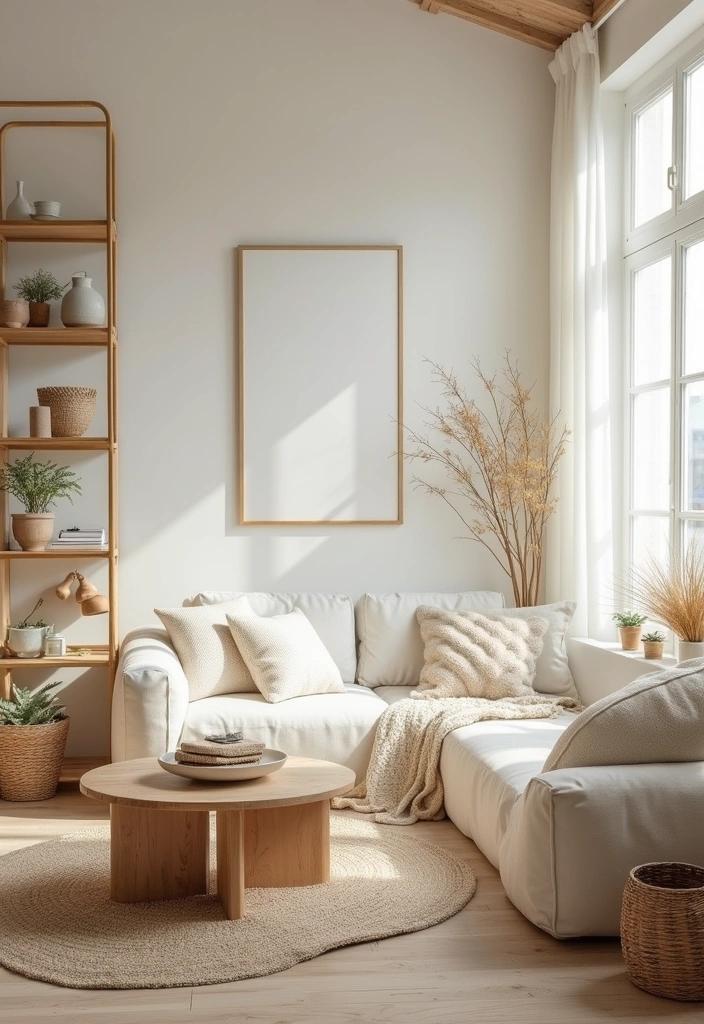
Another important benefit is the reduction of stress resulting from decluttering one’s surroundings. Physical clutter can create mental clutter, leading to feelings of being overwhelmed and anxious. Adopting a minimalistic lifestyle helps in creating an atmosphere of calmness, where individuals can reflect and engage in activities that genuinely bring them joy. This sense of tranquility often translates to improved emotional well-being.
Financial advantages are also significant when embracing minimalism, as it encourages mindful purchasing. Being selective about possessions leads to fewer impulse buys and more thoughtful investments. For instance, individuals who adopt a minimalist approach often prioritize quality over quantity, finding themselves more satisfied with fewer but better items. This can result in substantial savings over time, while also fostering a sense of gratitude for one’s belongings.
Moreover, a minimal aesthetic can enhance creativity by creating a space that is free from distractions. Fewer items in one’s environment can lead to increased inspiration, allowing for more room for imagination and innovation. In practice, many individuals have shared that simplifying their surroundings has sparked newfound creativity in their personal and professional projects. This illustrates how a minimalistic lifestyle can actively contribute to a more fulfilling and imaginative way of life.
Incorporating Minimal Aesthetic into Daily Life
Adopting a minimal aesthetic is a transformative journey that can enhance both physical space and mental clarity. One of the first steps toward embracing this lifestyle is decluttering your home. Begin by assessing your belongings and taking inventory of items that serve a purpose or bring you joy. Implementing the one-in-one-out rule can be effective; for every new item brought into your home, an old one should be let go. This practice not only reduces clutter but also encourages a thoughtful approach to consumption.
Next, consider simplifying your wardrobe. A capsule wardrobe is an excellent way to reduce choices and streamline your daily dressing routine. Select versatile pieces that can be mixed and matched, focusing on quality over quantity. This not only saves time but also aligns with the principles of minimalism by emphasizing a selected few over an overwhelming multitude.
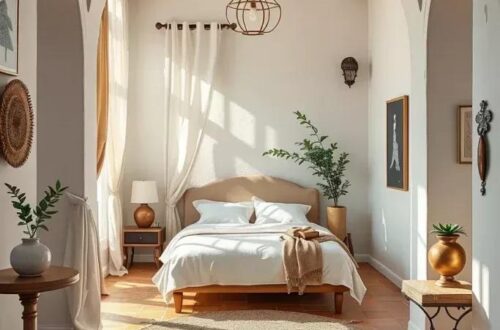
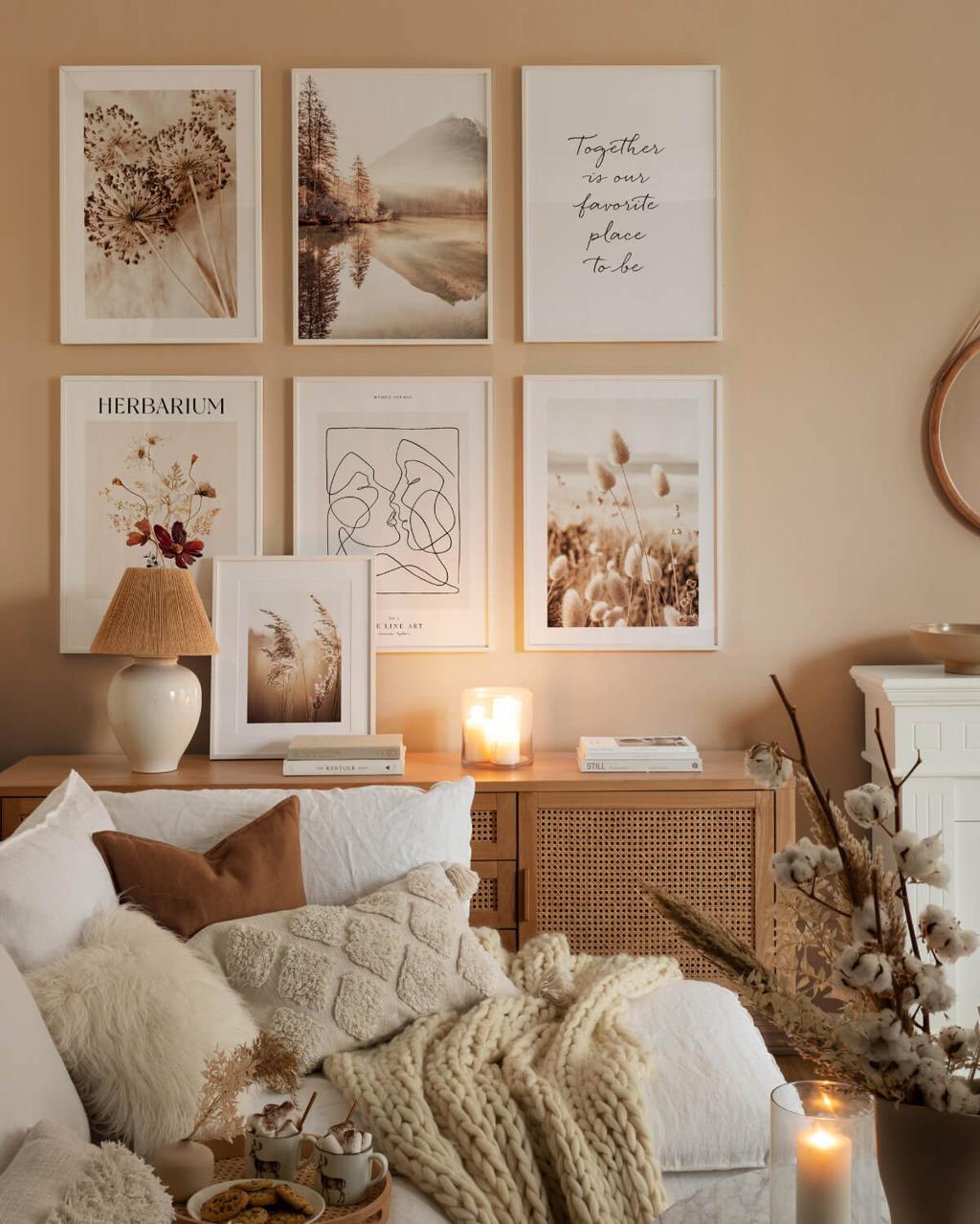
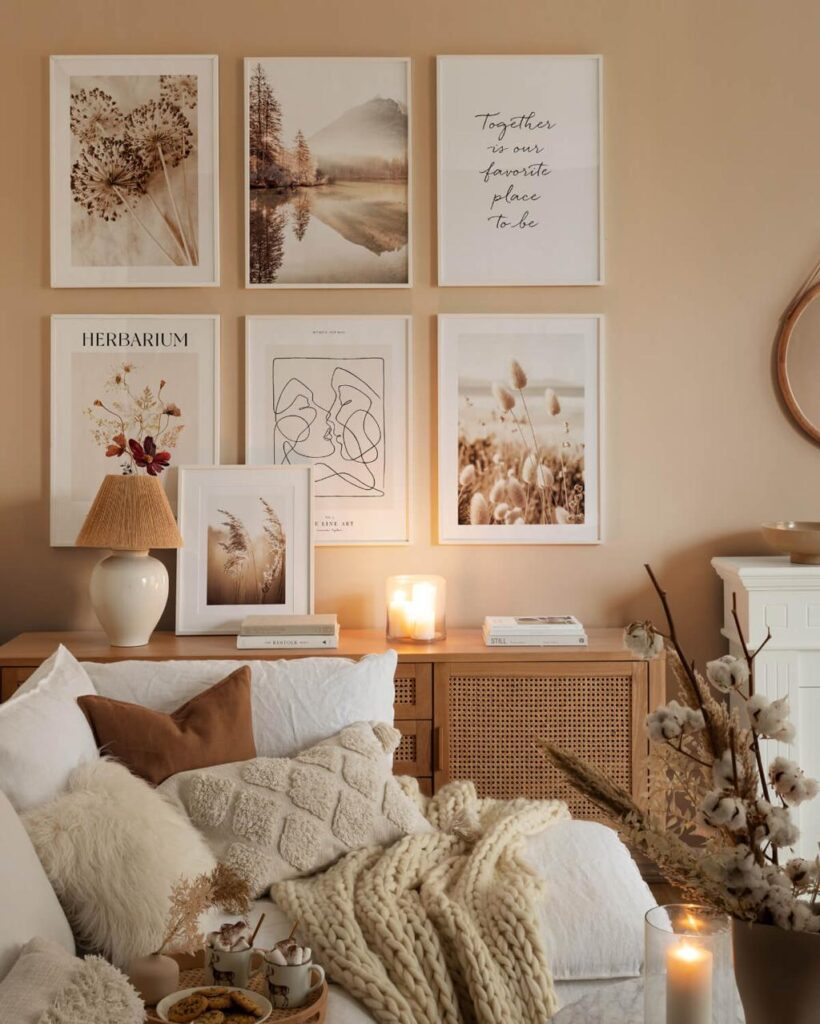
When it comes to decor, choose minimalist design principles that emphasize clean lines and neutral color palettes. Opt for multifunctional furniture that can serve various purposes, such as ottomans with storage or coffee tables that also function as workspaces. Incorporating natural elements such as plants can bring warmth without overwhelming the senses. Limit decorative items to a select few that hold meaning or serve as focal points, reducing visual clutter and creating a serene atmosphere.
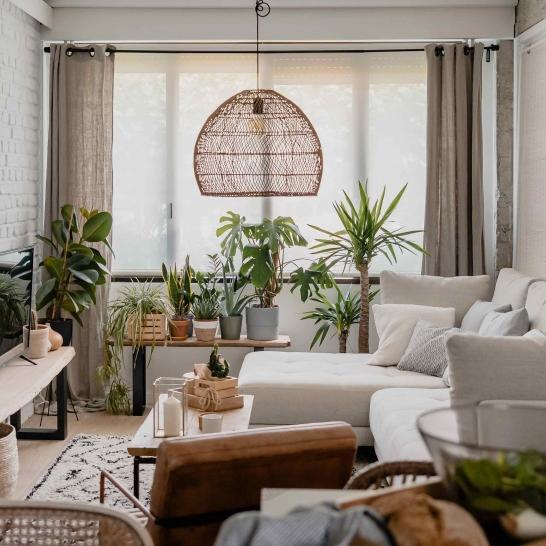
Additionally, a minimalist mindset can be integrated into your daily routines. Reflect on consumption habits and prioritize activities that nourish your well-being. Whether it’s setting aside time for mindfulness or reducing digital distractions, cultivating a sense of presence can help you focus on what truly matters. By intentionally choosing simplicity in various aspects of life, the essence of minimal aesthetic can become a rewarding part of your journey.
Challenges and Misconceptions of Minimal Aesthetic
Embracing a minimal aesthetic can often be accompanied by a variety of challenges and misconceptions. One of the primary challenges individuals face is the emotional attachment they have to their possessions. Many people find it difficult to part with items, often attributing sentimental value to objects that no longer serve a practical purpose in their lives. This attachment can hinder the process of decluttering and moving toward a more minimalist lifestyle, as it invites feelings of guilt and nostalgia, making it harder to let go.
Moreover, societal pressures can be another hurdle in pursuing a minimal aesthetic. In a consumer-driven culture, where trends and material possessions are often celebrated, the decision to minimize can feel counterintuitive and isolating. Individuals may feel anomalous for choosing simplicity in a world that promotes abundance. However, it is essential to recognize that minimalism is a personal journey, and the choices made regarding what to keep or discard should align with one’s values and lifestyle preferences rather than societal expectations.
It is crucial to address common misconceptions surrounding minimalism as well. Many people mistakenly believe that adopting a minimal aesthetic equates to living with nothing. However, minimalism is about quality over quantity; it emphasizes valuing what one possesses and intentionally choosing items that truly enhance one’s life. This distinction clarifies that minimalism invites individuals to curate their belongings thoughtfully, promoting not deprivation but an enriched experience through simplicity.
To overcome challenges and misconceptions, individuals are encouraged to take small, actionable steps toward embracing minimalism. Setting aside time to reflect on personal values, or cultivating a practice of mindfulness regarding possessions can pave the way for a meaningful minimal aesthetic. By doing so, one can navigate emotional attachments and societal pressures while aligning their living space with their personal ideals.