Understanding Mediterranean Design Principles
Mediterranean design principles are rooted in a deep connection to nature, emphasizing a harmonious relationship between indoor and outdoor environments. This architectural style is characterized by its ability to incorporate natural elements, creating spaces that not only respect but celebrate their surroundings. Drawing inspiration from coastal regions, Mediterranean homes often feature expansive views and a blend of natural landscapes, allowing seamless transitions between the inside and out. This invites an abundance of light and fresh air into living areas, contributing to a refreshing and tranquil atmosphere.
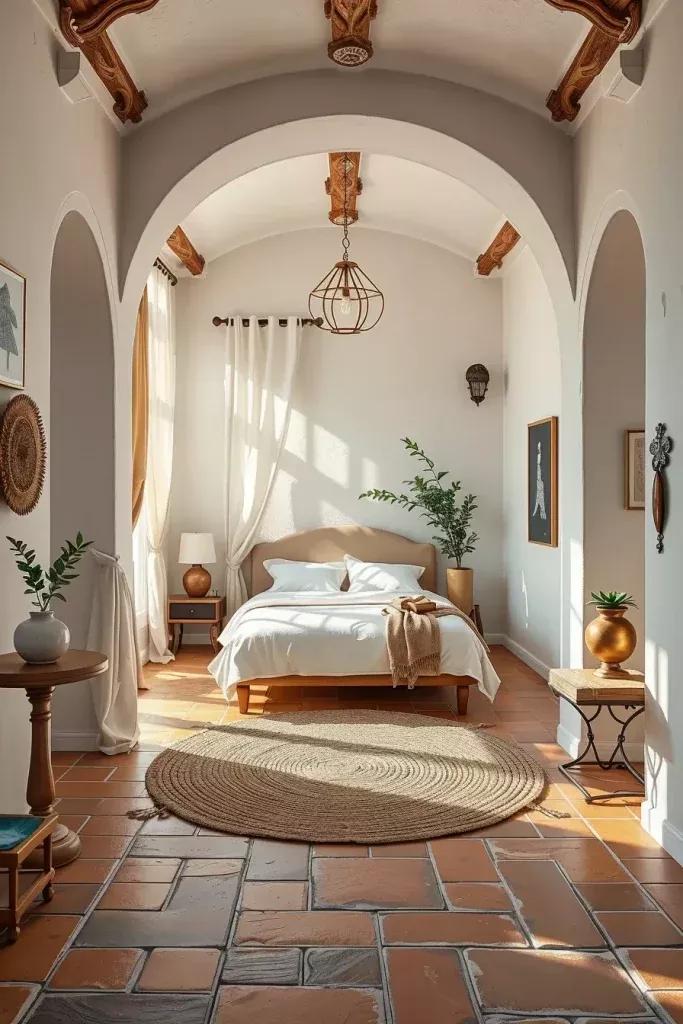
Central to the Mediterranean design ethos is the use of natural materials. Stone, stucco, wrought iron, and clay tiles are commonly employed, which not only enhance the aesthetic appeal but also ensure durability and sustainability. These materials resonate with the colors of the Mediterranean sun, ranging from terra cotta hues to rich earthy tones, thus fostering an inviting and warm ambiance. Furthermore, the textural contrast provided by these materials adds depth and character to the overall design, enhancing both visual and tactile experiences.
Another defining feature of Mediterranean design is the emphasis on outdoor living spaces. Patios, terraces, and gardens play essential roles in this style, promoting a lifestyle that values relaxation and social engagement. These outdoor areas are often adorned with lush greenery, vibrant flowers, or even fountains, echoing the cultural influences of Italy, Spain, and Greece. Each region brings its own unique flavor to Mediterranean aesthetics, contributing to the overall charm and elegance of these homes. By integrating these principles, homeowners can achieve a relaxed, yet sophisticated coastal elegance, embodying the allure of the Mediterranean lifestyle.
Key Features of Mediterranean Homes
Mediterranean home designs are renowned for their distinctive architectural features, each contributing to a unique, coastal elegance that reflects a warm, inviting atmosphere. One of the hallmark elements of this style is the terracotta roof, typically characterized by its curved or flat clay tiles. Not only does this roofing choice lend an aesthetic appeal, but it also provides functional benefits, including effective rainwater drainage, which is essential in wet climates, while also maintaining thermal efficiency during hotter months.
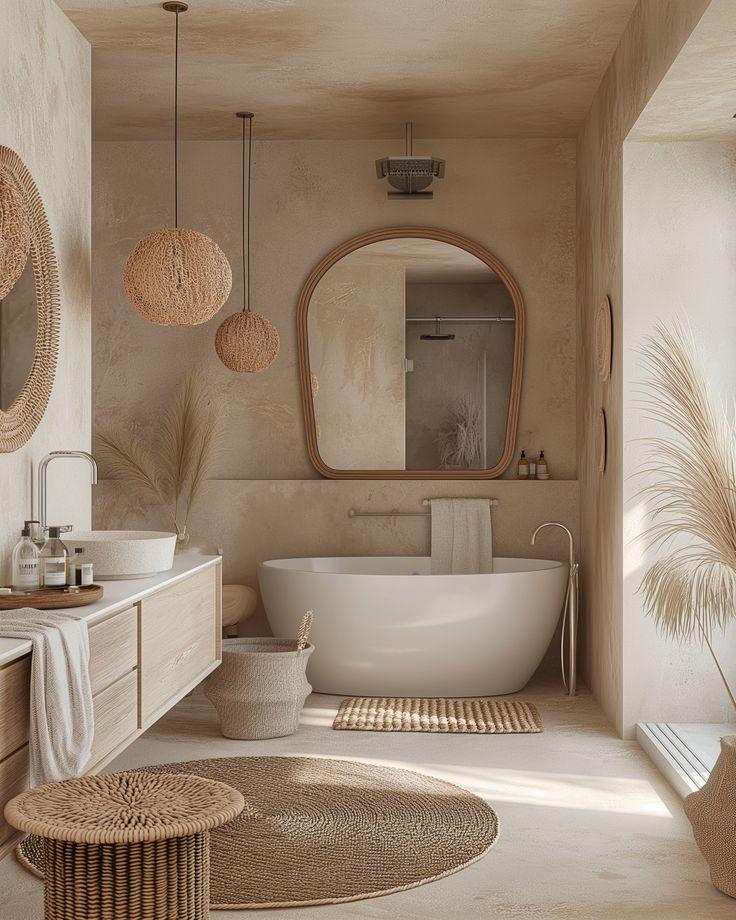
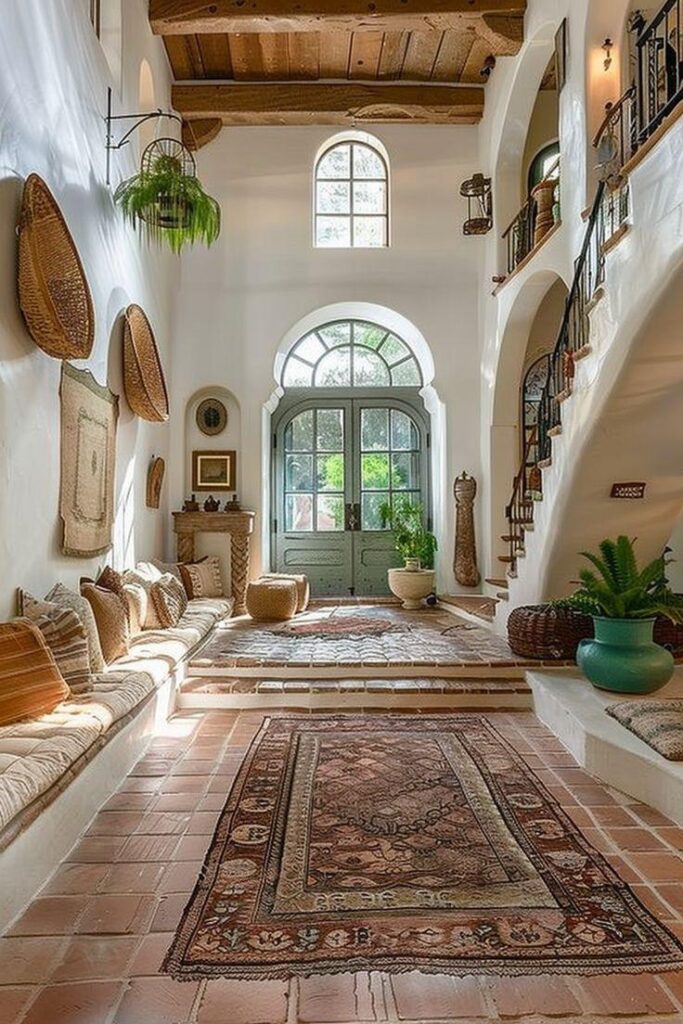
Another defining characteristic of Mediterranean architecture is the arched doorway. These elegantly shaped entrances are not merely decorative; they enhance the structural integrity of the home and create a grandiose entry point that invites guests inside. Additionally, arched windows are commonly featured, allowing ample natural light to flood the interior spaces, further emphasizing the open and airy feel typical of Mediterranean homes.
Stucco walls are another critical component, often finished in a smooth or textured manner. This material is particularly favored due to its durability and ability to resist the elements, making it ideal for coastal locations. The warm, earthy tones of stucco can be easily accentuated with vibrant colors, adding to the home’s charm and reflecting the sun-drenched landscapes of the Mediterranean region.
Color plays a significant role in achieving the quintessential Mediterranean look. Homes are often adorned with bright hues such as terracotta, sunny yellows, and ocean blues, reminiscent of the vibrant natural surroundings. Ornamental details, such as wrought iron railings or decorative tiles, further enhance the intricacy and beauty of these homes, providing opportunities for personal expression and creating a cohesive aesthetic in line with the coastal elegance that defines Mediterranean architecture.
Incorporating Mediterranean Elements in Interior Design
The Mediterranean region is renowned for its warm climate, breathtaking landscapes, and rich cultural heritage. To bring the essence of Mediterranean living into your home, start by considering the crucial elements of interior design that resonate with this coastal aesthetic.
Furniture selection plays a paramount role in creating a Mediterranean-inspired space. Opt for pieces made of natural materials, such as wrought iron or reclaimed wood, which reflect the earthy tones often found in the coastal landscapes of the Mediterranean. Consider incorporating comfortable furnishings with soft, rounded lines reminiscent of the inviting feel of a sun-drenched courtyard. Upholstery in muted colors, like terracotta or creamy whites, can enhance the cozy yet elegant atmosphere.
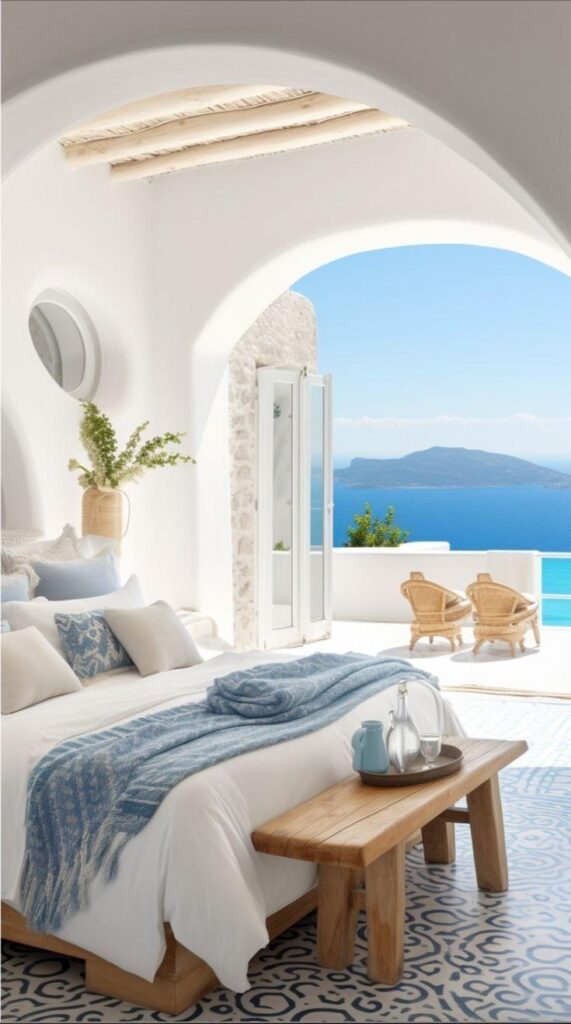
Color palettes influenced by coastal landscapes are essential in achieving the Mediterranean look. Shades of blue, inspired by the sea, alongside muted greens, sandy beiges, and warm oranges can evoke the natural beauty of the region. Painting walls in soft hues or choosing colorful tiles can help create an airy and inviting feel while also reflecting light beautifully.
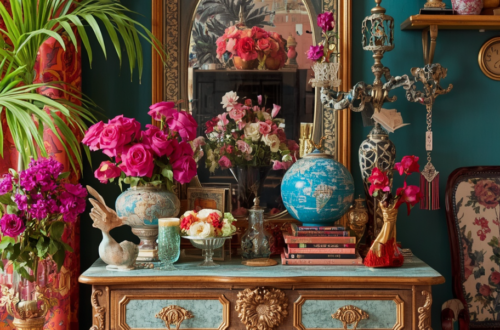
Textiles are another important aspect of Mediterranean interior design. Choose lightweight linens and cottons for draperies and cushions, enhancing airiness without sacrificing comfort. Look for patterns inspired by traditional Mediterranean motifs, such as floral designs or geometric shapes, to add a touch of authenticity to your space.
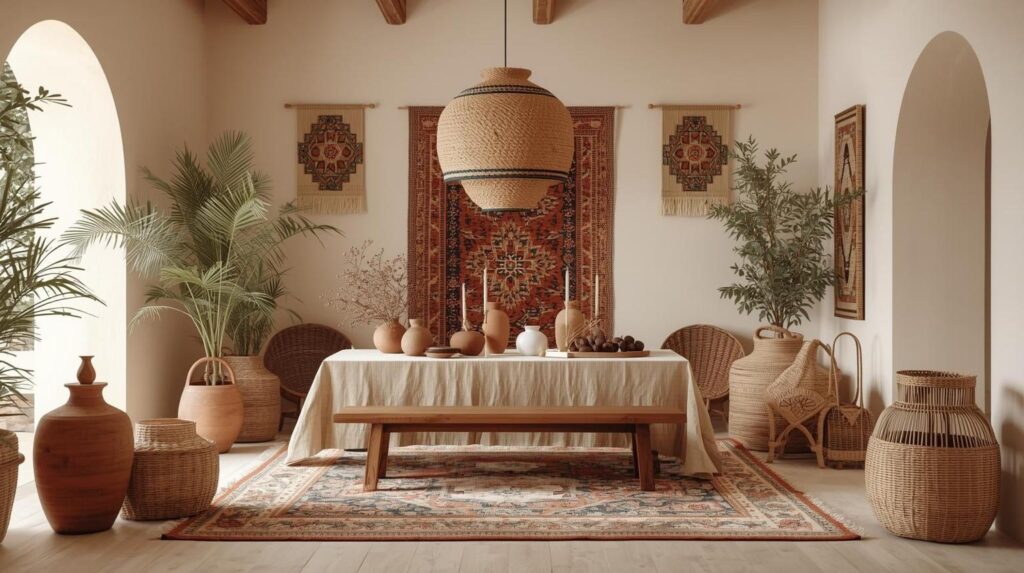
Accessorizing your home with Mediterranean accents can further elevate the overall design. Incorporate artisanal ceramics, decorative pottery, and wrought iron elements as focal points within a room. Natural fibers like jute or sisal can be used for area rugs, providing texture and warmth. By thoughtfully combining these elements, you can achieve a cohesive and inviting atmosphere that mirrors the charm and beauty of Mediterranean homes.
Creating Outdoor Spaces with Mediterranean Flair
Designing outdoor areas that embody the essence of Mediterranean living involves crafting spaces that promote relaxation and social interaction amidst beautiful surroundings. Central to this design philosophy are patios, courtyards, and gardens that invite both leisure and entertainment. These outdoor spaces should serve as an extension of your home, encouraging a seamless transition from indoor to outdoor living.
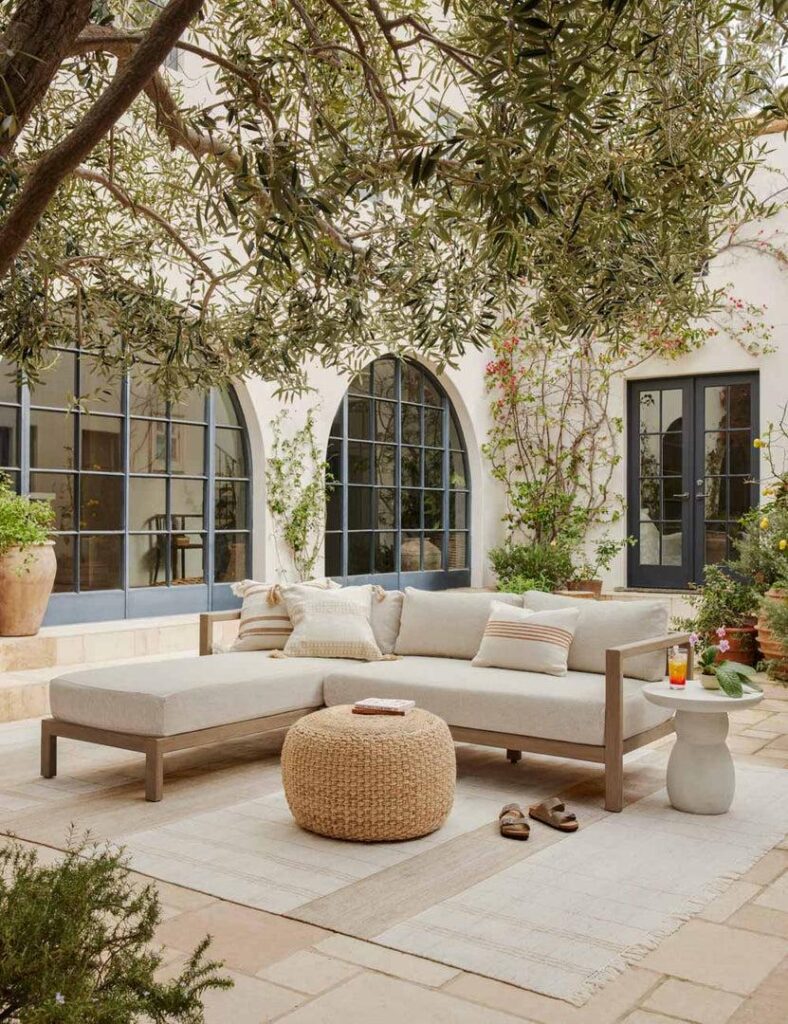
Patios can play a pivotal role in creating an inviting atmosphere. Opt for materials such as terracotta tiles, natural stone, or clay pavers to evoke a rustic charm reminiscent of Mediterranean styles. Incorporate comfortable seating arrangements adorned with weather-resistant cushions to enhance comfort and encourage gatherings. Adding an outdoor kitchen can also elevate these spaces; consider including a grill, a small pizza oven, or a stone countertop for food preparation, thereby facilitating al fresco dining experiences that celebrate the joys of communal meals.
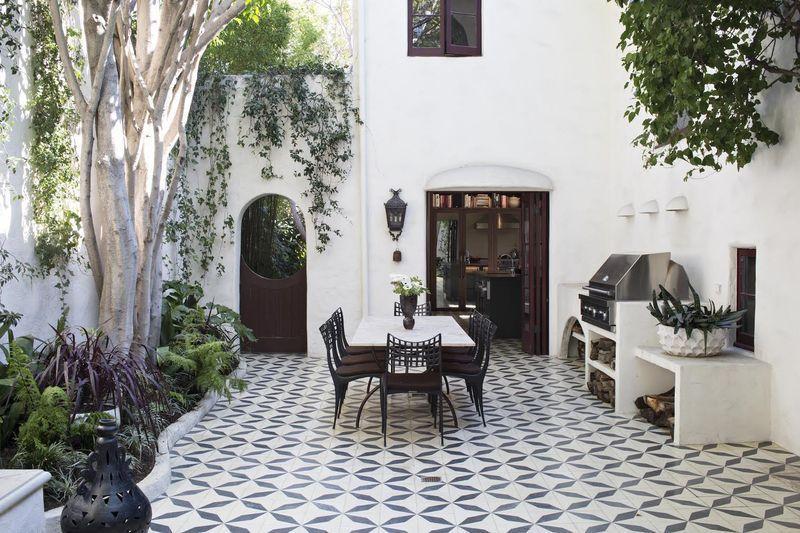
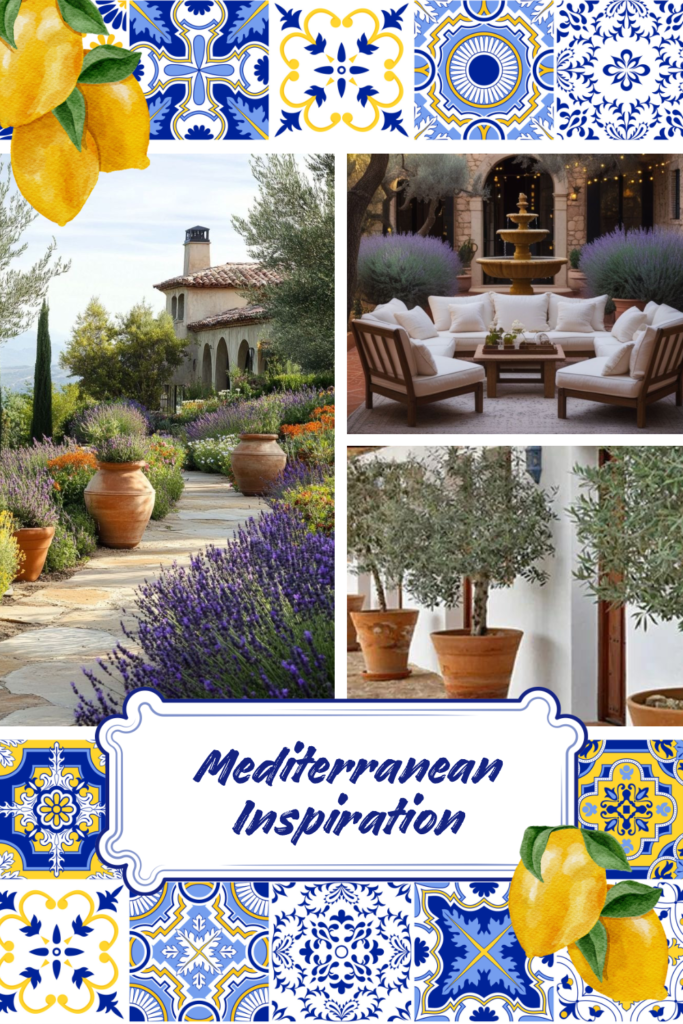
Courtyards are another significant feature in Mediterranean architecture, often serving as private retreats. These areas can be designed with various elements such as lush greenery, flowering plants, and ornamental tiled fountains that create a soothing ambiance. Incorporating fragrant herbs like rosemary or lavender not only enhances sensory experiences but seamlessly ties into the Mediterranean theme of outdoor living. Moreover, shaded seating areas can provide respite from the sun during warmer months.
Vibrant plant selections are essential in Mediterranean-inspired gardens. Mediterranean gardens often feature hardy and drought-resistant plants, such as olive trees, cypress, and bougainvillea, which thrive in sunny environments. Utilize these plants to create layers of color and texture, enhancing the visual appeal of your outdoor spaces while retaining functionality. As you seek to create outdoor spaces reflective of Mediterranean flair, consider how these elements harmonize to foster an inviting and calming environment.