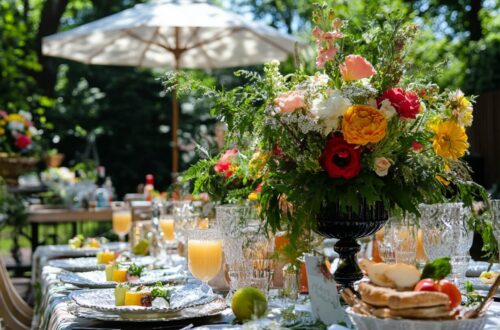
Wild Cut-Curated Gardens: Embracing Luxury Re-Wilding
In contemporary landscaping, the concept of wild cut-curated gardens has emerged as a prominent trend, marrying luxury design with the intrinsic beauty of natural ecosystems. This innovative approach emphasizes the harmonious integration of wild, untamed elements with thoughtful, elegant landscaping, resulting in spaces that not only appear lavish but also foster biodiversity.
Central to the aesthetics of wild cut-curated gardens is the selection of plants that reflect a balance between cultivated beauty and natural growth. The use of native species is particularly encouraged, as these plants often attract local wildlife, such as bees and butterflies, while seamlessly blending into the surrounding landscape. Ornamental grasses and flowering perennials are commonly utilized, offering a soft, flowing appearance that contrasts beautifully with more structured elements, like stone pathways or manicured hedges.
Moreover, this style of gardening celebrates seasonal variations, embracing the natural lifecycle of plants. Designers can create configurations that prioritize the visual impact throughout the seasons, showcasing vibrant blooms in spring and a rich tapestry of autumn hues. Incorporating features like wildflower meadows or unstructured shrub borders enhances the sense of a natural habitat, inviting myriad species and fostering a thriving ecosystem.
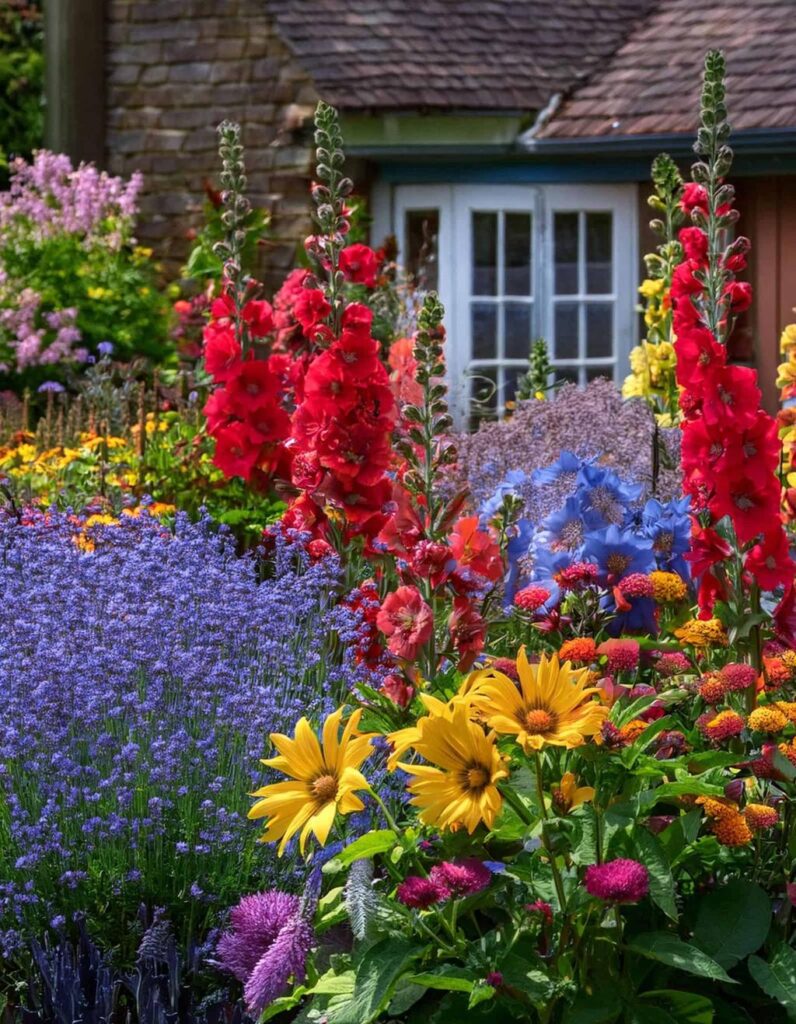
To establish a truly luxurious wild cut-curated garden, it’s crucial to consider both form and function. Utilizing high-quality materials for paths and seating areas can provide elegance, while also ensuring that these elements complement the riot of colors and textures created by the surrounding flora. This juxtaposition of refined architecture against the backdrop of wild nature creates a striking visual narrative.
Ultimately, a wild cut-curated garden exemplifies the luxury of re-wilding, encouraging a deeper connection with the environment while celebrating the untamed beauty that nature has to offer. By focusing on biodiversity and organic aesthetics, these gardens invite tranquility and a sense of wonder, making them a coveted addition to outdoor living spaces.
Outdoor Living Room Gardens: A New Social Hub
The concept of outdoor living room gardens has gained significant popularity, transforming traditional backyards into vibrant social hubs. These spaces are designed with the intent of fostering relaxation and connection among family and friends. At the heart of an outdoor living room garden is the seating arrangement, which typically features comfortable and stylish outdoor furniture. Sofas, sectionals, and lounge chairs with plush cushions create an inviting atmosphere conducive to socialization.
Incorporating a fire pit enhances the appeal of these gardens, offering warmth and a cozy ambiance during cooler evenings. Fire pits serve as excellent focal points around which guests can gather, share stories, and enjoy their time outdoors. Furthermore, integrating durable materials for both furniture and fire pits ensures that these elements can withstand various weather conditions while retaining their aesthetic charm.
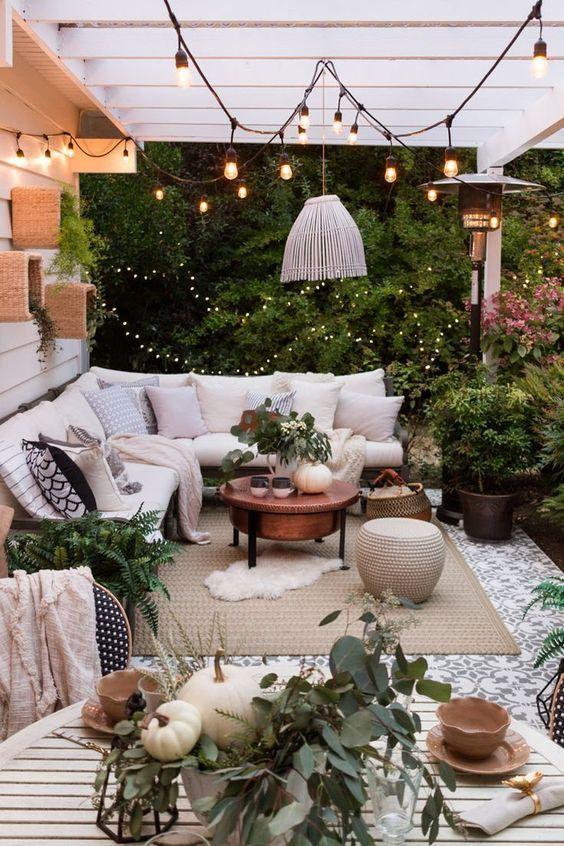
Decorative accessories play a pivotal role in enhancing the overall look and feel of outdoor living room gardens. Throw pillows, blankets, and outdoor rugs can introduce color and texture, making the space feel inviting and enriching the visual experience. Additionally, the strategic placement of potted plants and garden beds can achieve harmony between horticulture and outdoor furnishings. These elements not only beautify the garden but also help create a sense of privacy and enclosure, allowing for intimate gatherings amidst nature.
To optimize the functionality of outdoor living room gardens, consider integrating outdoor lighting options such as string lights or lanterns. These lighting solutions can set the mood for evening gatherings, ensuring that the outdoor space remains functional long after sunset. By combining comfort, aesthetics, and a touch of nature, outdoor living room gardens can genuinely become the heartbeat of summer festivities.
Edible/Grazing Gardens: Taste the Freshness
The trend of edible and grazing gardens is increasingly becoming a focal point for modern gardening enthusiasts. These gardens are designed not only for aesthetic appeal but also for practicality, allowing individuals to enjoy the benefits of fresh, home-grown produce. Growing your own food not only provides a sense of accomplishment, but it also encourages healthier eating habits and promotes sustainability.
In an edible garden, the arrangement of plants plays a crucial role in both beauty and functionality. A diverse range of plants can be included, such as leafy greens, tomatoes, carrots, and peppers. However, culinary herbs like basil, cilantro, and rosemary are particularly popular in grazing gardens due to their versatility in enhancing the flavor of dishes. Mixing these herbs with vibrant vegetables can create a visually striking and productive space, perfect for harvesting right from your own backyard.
When planning your edible garden, it is essential to consider plant compatibility and seasonal cycles. For instance, pairing shallow-rooted plants with deep-rooted varieties can maximize the use of the garden’s space and resources. Raised beds or vertical gardens can also help in optimizing limited space while maintaining an attractive layout. Grouping plants by height and color can enhance the visual appeal of your garden, making it a delightful place to both enjoy and gather fresh ingredients.
Overall, the edible garden trend reflects a shift toward more sustainable living practices. As more people seek to reconnect with nature and embrace the benefits of home-grown food, combining practicality and aesthetics in garden design has become essential. By cultivating an edible garden, individuals not only reap the rewards of fresh produce but are also contributing to their well-being and the environment.
Maximalist Color-Drenched Gardens: Bold and Bright
Maximalist gardens are an exhilarating expression of creativity and vibrancy, characterized by a fearless approach to color and diversity. This gardening style eschews minimalism in favor of a bold array of plants, flowers, and design elements, creating landscapes that burst with vitality and joy. The philosophy behind maximalism celebrates abundance and contrast, leading to spaces that engage the senses and evoke emotional responses.
In a maximalist garden, color plays a pivotal role. Bright, saturated hues can dominate the landscape, drawing the eye and creating focal points. Flowers such as sunflowers, dahlias, and zinnias, alongside foliage plants with variegated leaves, contribute to a robust palette. To achieve harmony amidst this riot of colors, gardeners often rely on complementary color schemes and varying shapes to create visual tension and balance. Textures also enhance the experience; combining fine-leaved plants with broad leaves can lead to a dynamic interplay that keeps the garden visually interesting.
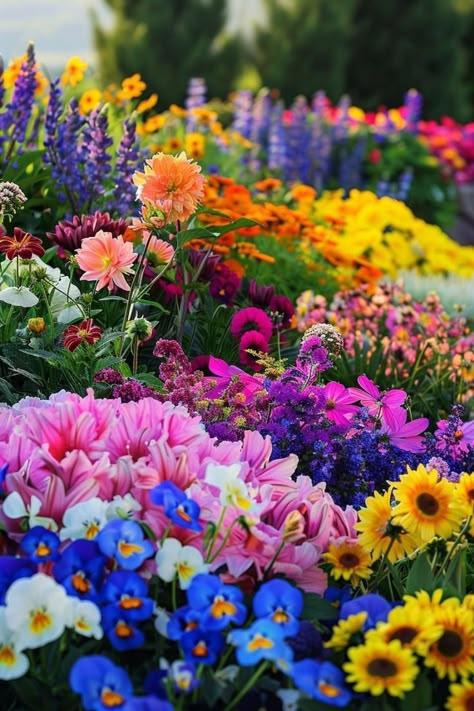
Case studies of successful maximalist gardens reveal innovative approaches to design that can inspire enthusiasts. For instance, the hidden gardens of Paris illustrate how a multitude of flowering plants can coexist, enchanting visitors with their eclectic charm. Similarly, urban community gardens often adopt maximalist principles to transform small spaces into lush retreats bursting with life. Each element—from plant choice to arrangement—contributes to a narrative, telling a story of harmony amidst the celebration of excess.
As you embark on creating your own color-drenched maximalist garden, consider incorporating various plant heights, layers of texture, and unexpected color pairings. The goal is to cultivate an inviting, lively atmosphere that radiates positivity, ensuring your garden not only attracts attention but also inspires joy and creativity in those who experience it.
Textured and Layered Planting: Depth and Dimension
Textured and layered planting is an essential technique in garden design that brings depth and dimension to outdoor spaces. By utilizing plants of varying heights, foliage types, and colors, gardeners can create visually dynamic arrangements that enhance the aesthetic appeal of their gardens. This method not only invites exploration but also promotes biodiversity by providing a range of habitats for various wildlife.
To achieve a successful layered arrangement, it is crucial to consider the heights of the plants used. Tall plants, positioned at the back or center, serve as a backdrop, while shorter varieties can be placed at the front or sides. This layering creates a sense of depth and encourages the eye to move through the garden space, making it more engaging. Similarly, incorporating plants with different textures—such as the coarse leaves of a large hosta contrasted with the fine, delicate foliage of ferns—adds interest and richness to the landscape.
Color is another vital aspect of textured and layered planting. A harmonious color palette can evoke specific moods and influence the overall design. For instance, combining the vibrant yellows of daylilies with the cooler tones of blue salvia can create a balanced and inviting atmosphere. Furthermore, seasonal interest should be considered by integrating plants that bloom at different times throughout the gardening season; this ensures that the landscape remains captivating all year round.
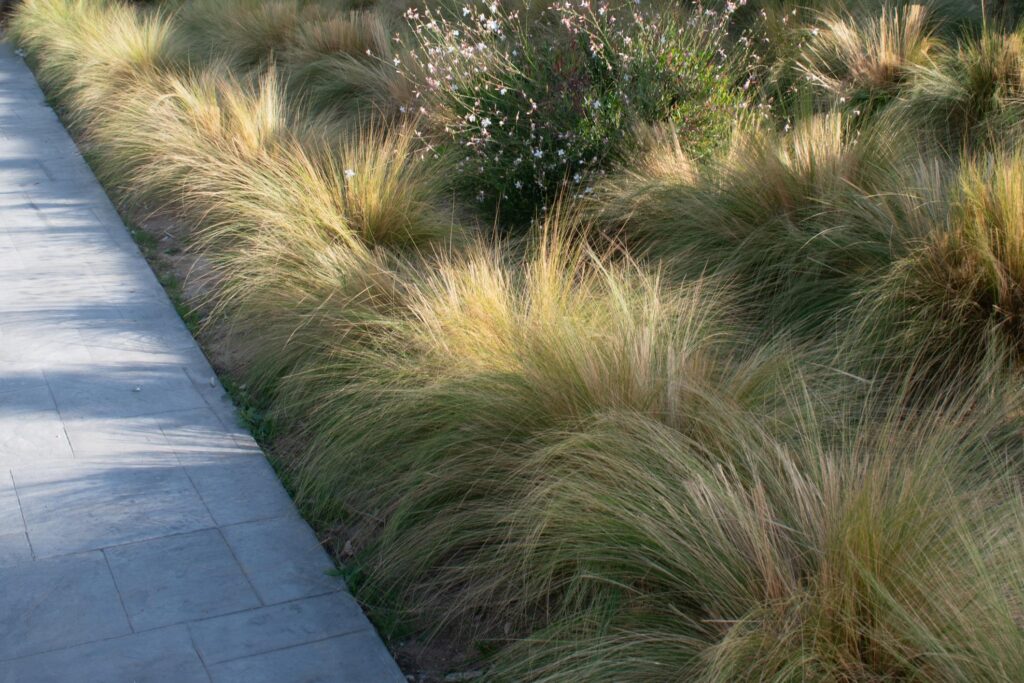
Some practical examples of plants that thrive in layered arrangements include ornamental grasses, which offer height and movement, and flowering perennials like coneflowers and black-eyed Susans, which provide bursts of color. Additionally, shrubs such as hydrangeas can serve as effective mid-tier plantings. By thoughtfully selecting and positioning these plants, gardeners can craft spaces that are not only beautiful but also ecologically beneficial.
Sustainable/Climate Smart Gardens: Eco-Friendly Practices
Sustainable gardening practices are increasingly becoming a vital aspect of modern horticulture, particularly as climate change impacts our environment. Adopting sustainable methods in garden design contributes significantly to reducing ecological footprints while promoting biodiversity and resilience. One effective strategy is the selection of native plants, which are well-adapted to local climates and require less water and maintenance than non-native species. Native plants provide essential habitats for local wildlife, aiding in the creation of a harmonious ecosystem within your garden.
Xeriscaping is another impactful approach to gardening sustainably. This method focuses on designing landscapes to reduce or eliminate the need for irrigation, thus conserving water. By utilizing drought-tolerant plants and planning efficient irrigation systems, gardeners can achieve lush, vibrant gardens that thrive even with minimal water. Components of xeriscaping often include the use of mulch to retain soil moisture, strategically placing plants according to their water needs, and incorporating hardscaping elements to reduce water loss through evaporation.
Moreover, permaculture principles emphasize creating self-sustaining systems that replicate natural ecosystems. This method encourages the use of composting, crop rotation, and interplanting to promote soil health and minimize the need for chemical fertilizers and pesticides. By integrating these practices, gardeners can cultivate productive landscapes that not only yield food but also enhance the resilience of their gardens to environmental stressors.
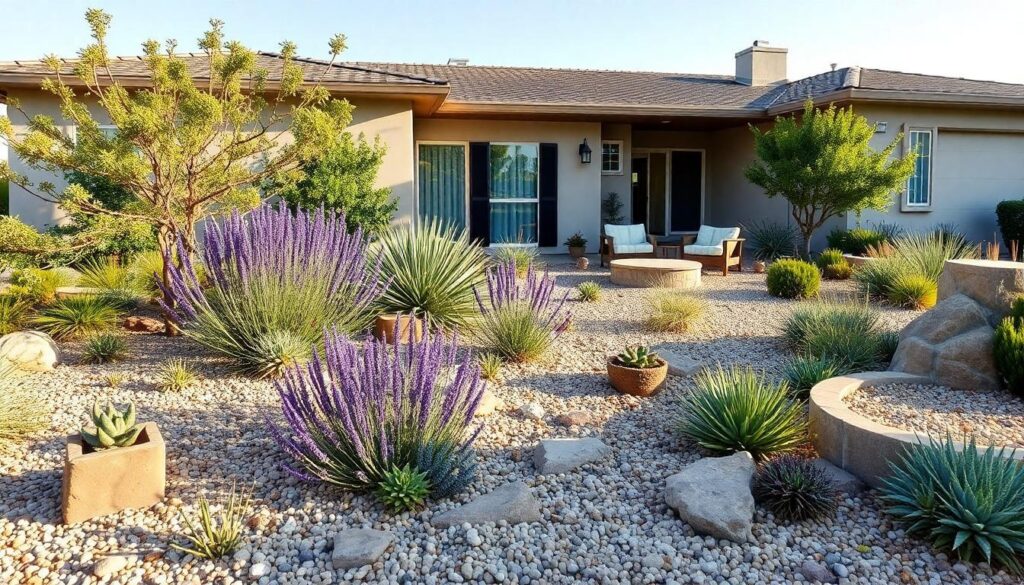
By embracing these sustainable gardening strategies, enthusiasts can foster beautiful, ecologically responsible gardens that contribute to a healthier planet. The adoption of these eco-friendly practices aligns with a broader movement towards sustainability, promoting environmentally conscious choices that benefit not only the gardener but also the surrounding community and ecosystem.